

Behind every clean go-live, every balanced conversion, and every client who exhales the moment the system finally clicks — there's an implementation team. Real people who chose the hardest, most consequential stretch of the journey because they believe in getting it right.
This is the next post in our People Behind the Build series. In the first installment, we told you what Alliance Solutions Group believes and the values we hire for. Now we're introducing the people who live those values under real deadlines: our Implementation team. Internally, we call them Build the Foundation — BTF — and the name is not an accident.
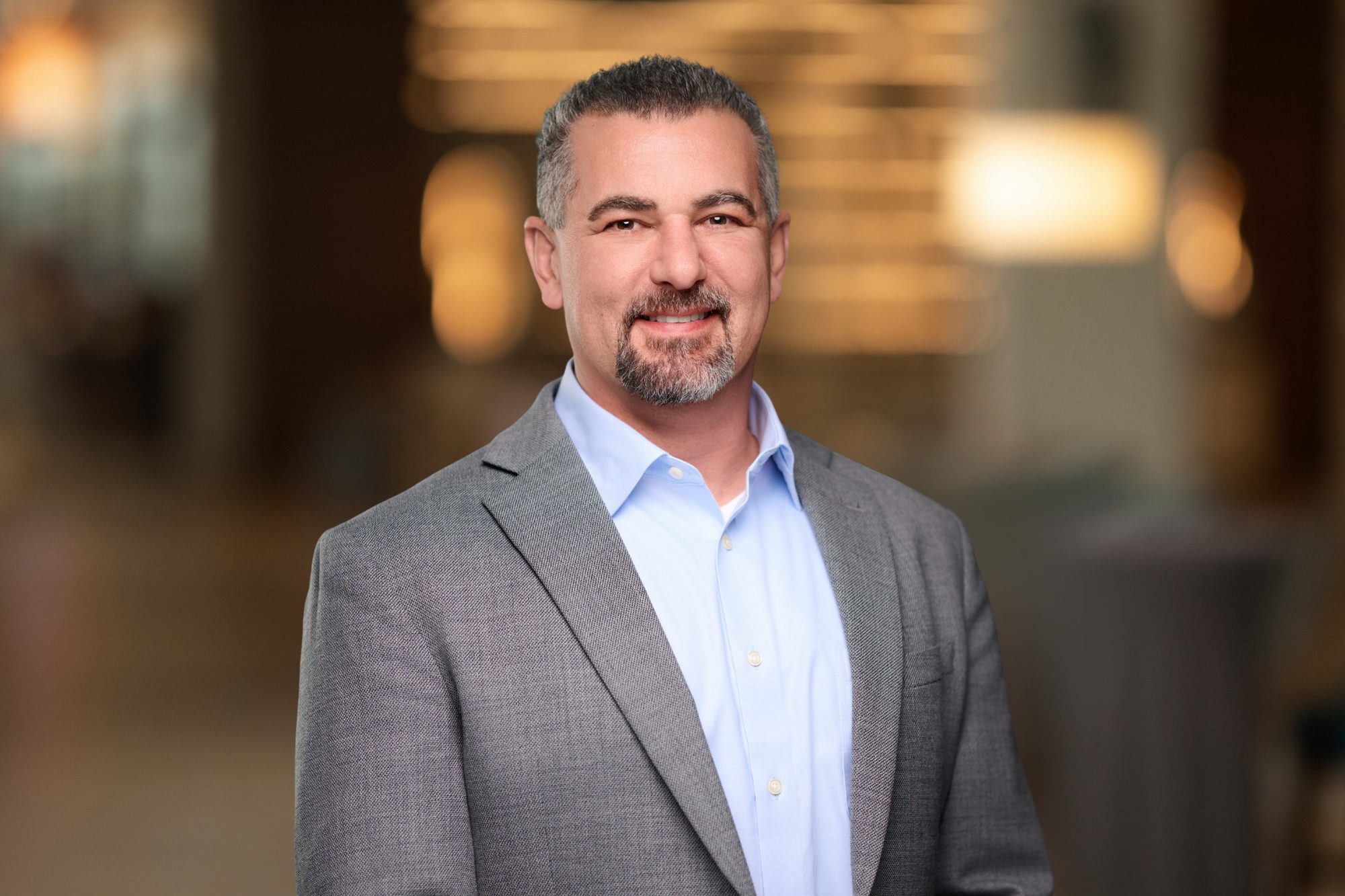
"Sometimes the most important part of the job is helping people move from what was to what can be." — Matthew Carlisle, Implementation Consultant
Meet the Crew That Builds the Foundation
Every great build starts underground, with the part nobody sees once the walls go up. Before a client ever runs a real-time job cost report or closes the books in days instead of weeks, someone has to lay the foundation. Clean the data. Design the workflows. Migrate the history. Test it until it balances. Train the people who'll live in it every day.
That's BTF. We surveyed the team — consultants and project coordinators alike — and asked what the work actually feels like from the inside. Here's what they said, in their own words.
"This Is Exactly Why I Do This"
Ask an implementation consultant why they do this, and you'll hear a version of the same story: the moment a nervous client stops white-knuckling the new system and starts trusting it.
For Matthew Carlisle, it happens on site. "Onsite with client and seeing in person, the point in which it all falls into place for them," he said. "The third parties connecting, data syncing, and that moment of 'it balances!'"
Bennett Sherrer finds it at go-live. "We spend months working through strategy, building workflows, training, and solving problems, so seeing everything finally come together is incredibly rewarding," he said. "One of my favorite moments is when a client starts using the system and realizes, 'This is exactly what we were hoping to get out of Intacct.'"
Jacob Green looks for it in the training room. "During training, when I see a client suddenly connect the dots, recognize the opportunities, and understand how it will impact their day-to-day work — that's when I get the feeling: this is exactly why I do this."
For Angie Riddle, a Senior Project Coordinator, the payoff comes right after go-live. "One of my favorite moments is when a client who was nervous at the beginning tells me after go-live, 'That was a lot easier than I expected,'" she said. "Knowing I helped turn something that felt overwhelming into a smooth, successful experience reminds me why I love implementation."
Lisa LaRoux measures it in understanding, not just adoption. "I enjoy breaking down complex processes in a way that makes sense and gives clients the full picture — not just the 'how,' but the 'why' behind it," she said. "Seeing that moment when everything clicks, and knowing I've helped build their confidence, is exactly why I enjoy what I do."
Angela Eubanks knows the feeling from both sides of the table. "I love when it all clicks," she said. "Clients can be so wary and nervous at first, then one day it just all connects and they get excited." Angela's path is its own kind of proof — she was a client first. "After doing a few software implementations I was sad when it was over and I had to go back to just using it. I mentioned that to the person doing my Intacct implementation, and a few months later I was working here."
And Danielle Tupper hears it in the small stuff. "When our client expressed how much easier their day to day was going to be because of a new report or new process we showed them," she said. "It's always nice to hear when a client is excited about the change."
The Part of the Job They'd Do for Free
Implementation isn't one job — it's a half-dozen. Which is why no two people on this team pick the same favorite phase.
Jocelyne Ahrens lives for design. "Phase 2 – Design is my favorite stage. This is where you begin building a trusted partnership with the client by diving deep into their challenges, understanding their business, and identifying system functions to solve their software needs," she said. "I love that no two clients are the same… it's about creating software that not only meets their requirements today, but also makes the client's day-to-day work more efficient, effective, and enjoyable."
Elmuttaqi Ismail starts even earlier — before the first call. "My favorite part is the pre-discovery phase. When a client is initially assigned to me, I immediately start doing research," he said. "Where are they located? Are they a family-owned business? What sector do they specialize in?… This process helps me build a very basic understanding of my client before we've even met. And I'm often able to use this research to ask better questions during the Discovery call."
Jack Cohen likes the build. "I enjoy building out workflows and processes that improve upon what the client was doing in their legacy system," he said. "Some clients are so excited to get off of their old software that every workflow built out results in a lot of gratitude."
Megan Madden is in it for the people. "I love the diverse group of people I get to interact with on a daily basis," she said. "Through my years of implementation consulting I have met a lot of great people and learned more about each one as a person than just as a business. Building a rapport with the client is what keeps me going."
Victoria Bracey is in it for the range. "Learning the variations of industries," she said. "What excites me the most is how much knowledge we can learn as consultants."
Keith Gressel just wants them over the line. "It's a very long journey and a lot of work," he said. "It's great seeing the client get to work in their live environment after all of the preparation and work they have done with consultants."
And for Nicole Murruni, it's the finish line itself. "What keeps me excited is the go-live moment — seeing everything we've worked on come together and knowing the client is successfully up and running."
Nobody Takes the Same Road Here
The best foundations get built by people who've seen the problem from a dozen different angles. Almost nobody on this team arrived by a straight line — and that's the point.
Bennett Sherrer credits four years on the mat. "College wrestling, without a doubt. When I came to Alliance I didn't have years of consulting experience. What I did have was four years of college wrestling, and looking back, I don't think anything prepared me better for this role," he said. "Wrestling teaches you that goals take time. You don't become successful because of one great practice or one great day — you get there by showing up every day with discipline, preparation, and a willingness to improve. Wrestling also taught me resilience. Every implementation has unexpected challenges, and just like in wrestling, you don't get to choose what happens — you only get to choose how you respond."
Elmuttaqi Ismail credits a career that never happened. "A few years ago I wanted to become a voice actor… So, I took about six months of voice acting classes," he said. "My voice acting career never took off. However, I still use many of the skills I learned during that brief flight of fancy during my daily training calls."
Jack Cohen credits the service industry. "Honestly, working in a restaurant," he said. "While I was able to build plenty of technical skills in my corporate life, the skillset of customer service and building relationships with the clients is the key to starting off an implementation on the right foot."
Jocelyne Ahrens brought nearly all of it — construction work, manufacturing, escrow, public accounting, and a Bachelor's in Accounting with a minor in Construction Management. "Performing construction at a young age helps me understand their day-to-day grind," she said. Her time as a construction escrow agent taught her "vendor compliance and lien waivers, AIA documents, commercial/residential billing… and to relate to the struggles they encounter with their everyday billing and payments."
Angie Riddle brought nearly three decades of a different kind of pressure. "Before joining Alliance, I developed strong communication, training, and change management skills through more than 28 years in the pharmacy and healthcare industry," she said. She also spent time with a custom home builder, where she saw how outdated software and resistance to change could cost a business money. "Those experiences taught me that successful implementations are as much about helping people embrace change as they are about the technology itself."
Megan Madden came from the audit world. "My role as an auditor before becoming an implementation consultant has helped me the most," she said. "It gives me the ability to relate to the client how the system is going to help them be better prepared for the audit — from internal controls to notations on void or reversed transactions."
Brian Puckett came from corporate finance. "Financial report building has always been a strong suit of mine," he said. "Now, my goal is to focus on reporting and dashboards that optimize a client's ability to assess financial and operational performance in Sage Intacct."
Nicole Murruni came up through the technical side, back when go-live conversions were done by hand. "My experience manually converting open AR, open AP, and inventory quantities the night prior to go-live gave me a strong understanding of the overall conversion process," she said. Add technical support and some exposure to coding, and she understands not just what each import template does, but why: "It made learning the logic behind Smart Events much easier."
Debora Gomes came from the client's side of the screen. "Having several years of client-facing experience definitely helped me, since communication is such a big part of the role," she said. "Being a Sage Intacct end user also gave me a good understanding of the system from the customer's perspective, which has made it much easier to relate to clients and understand their needs."
Lisa LaRoux learned to teach without a crutch. "One of the most valuable skills I brought to Alliance was learning how to effectively present and teach in front of groups without relying on reading from presentation slides," she said. "That experience helped me become a more engaging and confident trainer."
Keith Gressel brought adaptability from recruiting and management. "You have to be ready for anything and ready to jump in to assist and work through issues," he said. "There are a lot of changes and updates happening, so you have to be ready to think on your feet and adapt."
Danielle Tupper brought patience from customer service. "Being patient and understanding when clients are dealing with difficulties — whether they are related to the implementation or not — is key to maintaining a positive environment during implementation."
Victoria Bracey brought empathy. "Being personable and empathetic has helped me build strong client relationships by recognizing that every client is unique and has different needs," she said. "It's enabled me to adapt my consulting style, provide personalized solutions, and deliver a better overall client experience."
Good Consultants Get It Done. Great Ones Do This.
We asked what separates a good implementation consultant from a great one. Nobody said "knows the most."
"A good consultant gets the job done by following a proven process," Jacob Green said. "A great consultant gets the job done by taking the time to understand the client, their unique needs and challenges, and in doing so, instills confidence in our ability to deliver beyond expectations."
"A great consultant doesn't know EVERYTHING," Megan Madden said. "They listen to the client's needs, wants, and complaints. They do the research, and they know when to pull in someone with more expertise to help the client."
Angela Eubanks put it just as plainly. "Listening. Hear your clients, be adaptable. The system is for them — get them comfortable. If you try to force your way on the client, it will not go well."
Nicole Murruni added a layer about how you communicate. "You may explain the same process differently to an AP clerk than you would to an accountant," she said. "Listening to the client is just as important as speaking."
Elmuttaqi Ismail draws a hard line on credibility. "Knowing your client and knowing their business. It's okay to not know all the technical aspects required to get them implemented," he said. "But if you don't at least have a basic understanding of how they make money, all credibility will be lost."
Bennett Sherrer points to the unglamorous stuff. "Communication and documentation. At the end of the day, the consultant sets the tone," he said. "Technical knowledge is important, but if people don't know what's happening or what the next step is, projects slow down quickly."
Brian Puckett starts at discovery. "Really taking a deep dive in the discovery documents and discussions to make sure you know the key priorities and pain points for the client," he said. "Then making sure the project stays on course and that these items are handled before go-live."
Jack Cohen reframes the relationship entirely. "Being able to work as a team with the client rather than just a customer/vendor relationship," he said. "When the relationship is more based around 'being on the same team,' it's a lot easier to work through difficult scenarios that pop up."
Lisa LaRoux and Jocelyne Ahrens both landed on curiosity. "Great consultants don't stop at knowing just enough to complete a task," Lisa said. "That deeper understanding allows them to anticipate challenges, provide better solutions, and add more value." Jocelyne put it in a sentence: "The consultants who love to constantly learn and start each day wanting to be better than the day before."
For Angie Riddle, the endgame is trust: "Great consultants meet clients where they are, communicate clearly, stay patient, and become trusted advisors rather than just software experts." Danielle Tupper agrees the client comes first: "Great consultants understand their client's business and needs, and are able to transition those needs into the process and workflow of Intacct." And Victoria Bracey keeps it simple: know your material well enough to "educate the topic to any person in the room."
Matthew Carlisle makes the case that depth is what earns you the right to advise. "What truly separates good consultants from great ones is deep system knowledge," he said. "A thorough understanding of what the system can do gives you the confidence to navigate even the most challenging client questions."
What People Get Wrong About Implementation
Every profession has its myths. In implementation, the biggest one is that the software does the work for you.
"One of the biggest misconceptions is that implementing a new system means the system will do all the work for you," Matthew said. "The most successful projects are the ones where clients clean and validate their data, dedicate the right people, and actively participate throughout the process."
Troy Minor cuts to it: "I think one of the biggest misconceptions about implementation consulting is that it's mostly about the software. It's really just as much about understanding people, improving processes, and solving business problems."
Bennett agrees. "Our job isn't just to build the system — it's to understand their business, recommend better ways of doing things, and help them feel confident adopting those changes."
Brian Puckett wants people to know the projects aren't interchangeable. "There is a perception that all projects are virtually the same, but that is far from the truth — even just working in the construction vertical," he said. "I have seen clients set up their environment with 30 cost codes and others with 3,000-plus."
Jacob Green agrees: "No two clients are the same. Our role often extends beyond implementation — we become consultants, advisors, and sometimes even therapists as we guide them through change."
Keith Gressel wishes people saw the invisible hours. "How much extra time the consultants put into the project outside of their twice-a-week calls with clients," he said. "There is a lot of behind-the-scenes prep work that goes on to make sure everything is running smoothly."
Jocelyne Ahrens was the most candid of anyone. "It is not easy. It is multi-tasking to the max," she said. "You live by your calendar and are constantly looking out to the next day, week, month, and six months… You don't ever truly log off, because you find yourself trying to work through or find a solution to an error while driving, showering, eating."
Lisa LaRoux hears a different myth — that consultants have memorized every integration. "There are countless third-party solutions, each with their own functionality and nuances," she said. "Our role is to understand how those systems interact with Intacct, ask the right questions, collaborate with vendors when needed, and find the best solution for the client." Angela hears the same thing: the assumption "that you know every single thing about the system, the third-party apps connecting, and all the error messages."
Advice for Day One
We asked: if you could tell a brand-new Implementation Consultant one thing on their first day, what would it be?
Bennett Sherrer: "Be a sponge. That was the advice another consultant gave me on my first day at Alliance, and it's still the best advice I've received. Ask questions, sit in on as many calls as you can, and learn from the people around you."
Jocelyne Ahrens: "Rome wasn't built in a day. This software is very similar — it's complex and ever-changing. Be humble and show yourself grace, because you will never know it all."
Angela Eubanks: "It is okay to not have the answer. It is okay to have to ask others. It does not make you a weaker consultant — it makes you thorough."
Megan Madden: "Don't try to know everything. The best learning will come from on-the-job experience. And don't be afraid to admit when you need your peers to assist. At a company like Alliance, teamwork is really what it's all about."
Elmuttaqi Ismail: "Make wise use of your uncommitted time. Use it to study, brush up on skills, or experiment with Intacct. You'd be amazed how a passing familiarity with something might pay off big in the future."
Brian Puckett: "Soak up as much as you can from other consultants and shadow the work that others do. That is the quickest path to learning Sage Intacct."
Lisa LaRoux: "Practice presenting by recording yourself, and always test everything before your client call… Taking the time to prepare ensures you can focus on the client and the training rather than troubleshooting avoidable issues."
Matthew Carlisle: "Document every process you learn and repeat it in your test environment. Making mistakes in a test environment helps you recognize common errors, understand why they happen, and resolve them before working in production."
Nicole Murruni: "Come in with an open mind. Your way isn't always the right way, and every implementation is different. Be willing to listen, learn, and adapt."
Angie Riddle: "Listen first and focus on building relationships. Technical skills are important, but understanding your client's goals, communicating clearly, and building trust are what make projects successful."
Danielle Tupper: "Keep learning through the library of knowledge that is being given to you and eventually it will all come together. If you feel like it is taking a long time, you're halfway there."
Jacob Green: "Practice. Before each call, review old recordings with the same subject. Test in the implementation environment to ensure settings are correctly configured."
Keith Gressel: "You have an awesome team to learn from and are in good hands. Be ready to learn and adapt and you will do well."
The Wins That Stick
Ask about a success story and you learn what this team actually values: not the flashiest logo, but the clients who show up ready and the relationships that keep coming back.
For Matthew, that client is Aquila. "Aquila stands out as the ideal client experience and represents the kind of implementation every consultant dreams of," he said. They came prepared, cleaned their data, and took full ownership of their cutover plan — completing the entire cutover checklist within the first two weeks of go-live, all while integrating with Procore, a process that typically takes several weeks on its own. "Their preparation, engagement, and commitment were the key factors."
For Angie, the win is measured in repeat business. "One client success story I'm particularly proud of is our work with Integra. They continue to bring additional implementations to ASG because of their positive experience with our team," she said. "Seeing that trust grow to the point where they repeatedly choose ASG is incredibly rewarding — and a great measure of success."
Brian Puckett points to Southern Land, one of his first projects at Alliance. "They were a very complex client with several integrations and many end-users to train," he said. "The team that worked on this project put in a lot of hours, but getting them to go-live as a happy client was well worth the effort."
Jack Cohen points to a client who didn't want to be there. "Boys Electrical Contractors — they were very resistant to change and very critical of Intacct," he said. "But once they were live and operating in the system, they gave very positive reviews."
Elmuttaqi Ismail is proudest of a workaround. When ClearLight Solar wanted to see expense report attachments directly in the entries grid, he built a custom field so users could reach receipts from the grid. "It wasn't a perfect solution, but it solved the immediate problem," he said. "Even though it wasn't a native feature, the client was happy with the result."
Sometimes the win arrives in the inbox. Jacob Green saved a note from a client he'd helped with custom reports: "Amazing! I'm stunned. You are literally a magician. I tried that so many times." And Keith Gressel recalls a go-live signoff where the client's review of consultant Heather read: "Heather was the best, we wish we could go through implementation longer just to work together." As Keith put it, "It's awesome to see the client recognize all of the hard work put in."
Jocelyne Ahrens is quick to credit the clients themselves. Her favorites "really listened, learned, and made it enjoyable to work with. They asked challenging questions that help us consultants learn and grow."
What Keeps Them Going
Implementations are hard. Timelines slip, data fights back, and go-live weekends are long. So what keeps this team showing up? Overwhelmingly, two things: the people beside them, and the people at home.
"My children are my biggest motivation," Nicole Murruni said. "Life doesn't stop for anyone — there will always be challenges, but you have to keep moving forward. At the end of the day, I hope my children see that perseverance and are proud of me."
"My goals," Bennett Sherrer said. "Sometimes that means putting in extra time to help a client hit a deadline. Other times it means slowing down and making sure they truly understand a new workflow before moving on. At the end of the day, I want every client to feel like they had someone in their corner."
For Matthew, it's the bench: "The team. We have remarkable people who keep expanding the boundaries of what's achievable." Megan feels the same net: "Challenging implementations are doable because I have a great support system in my team at ASG. Everyone is rooting for success." Lisa LaRoux agrees: "Knowing I have the full Alliance team behind me… That support gives me the confidence to keep pushing forward." Keith Gressel frames it as obligation, in the best way: "I don't want to let our team or the client down. It really is a team effort." And Jacob Green, still new, says he's "amazed by the level of professionalism on my team. We have a lot of fun, but everyone is extremely knowledgeable and always eager to assist and support one another."
Angie Riddle summed up the culture in what's become something of a team motto. "We are known as the Dream Team, and I can honestly say it truly is a dream to work at Alliance," she said. "As we've grown so rapidly, we've continued to attract incredibly talented people who genuinely support one another and care deeply about our clients' success."
The rest keep it short. Angela Eubanks: "I love seeing the client happy and succeeding." Victoria Bracey: "My team motivates me every day." Jack Cohen: "Gratitude from clients — especially from ones that were anxious about transitioning." Danielle Tupper: "Making a change in my coworkers' and clients' day-to-day that will last." And Jocelyne Ahrens, ever the realist: "Knowing that tomorrow is a new day and the challenges encountered today are only temporary."
The People Behind the Build
Software gets a lot of the credit. But Sage Intacct doesn't clean anyone's data, sit with a nervous controller at 6 a.m. on go-live morning, or explain a journal entry reversal to a room full of skeptics. People do that. This team does that.
Alliance Solutions Group has been a Sage partner since 2005 and grown into Sage's #1 Intacct partner in North America. But the reason clients like Aquila, Integra, and Southern Land keep coming back isn't a stat on a website. It's the foundation — and the people who build it.
If You're Reading This and It Resonates
We're growing fast, and we're selective about who joins this team — not because we're chasing perfect resumes, but because we're looking for people who care about the work as much as our BTF crew does.
Wrestlers, auditors, restaurant servers, escrow agents, voice actors: the road here doesn't have to be a straight line. If building the foundation sounds like the kind of work you'd be proud of, we'd love to hear from you.
Explore Career Opportunities or Get to Know Us
More in This Series
This is the latest installment of People Behind the Build, a series from Alliance Solutions Group exploring the culture, careers, and people that power construction and real estate technology. Follow along as we introduce the team behind the partnership.