

Modernizing does not mean tearing out everything that already works.
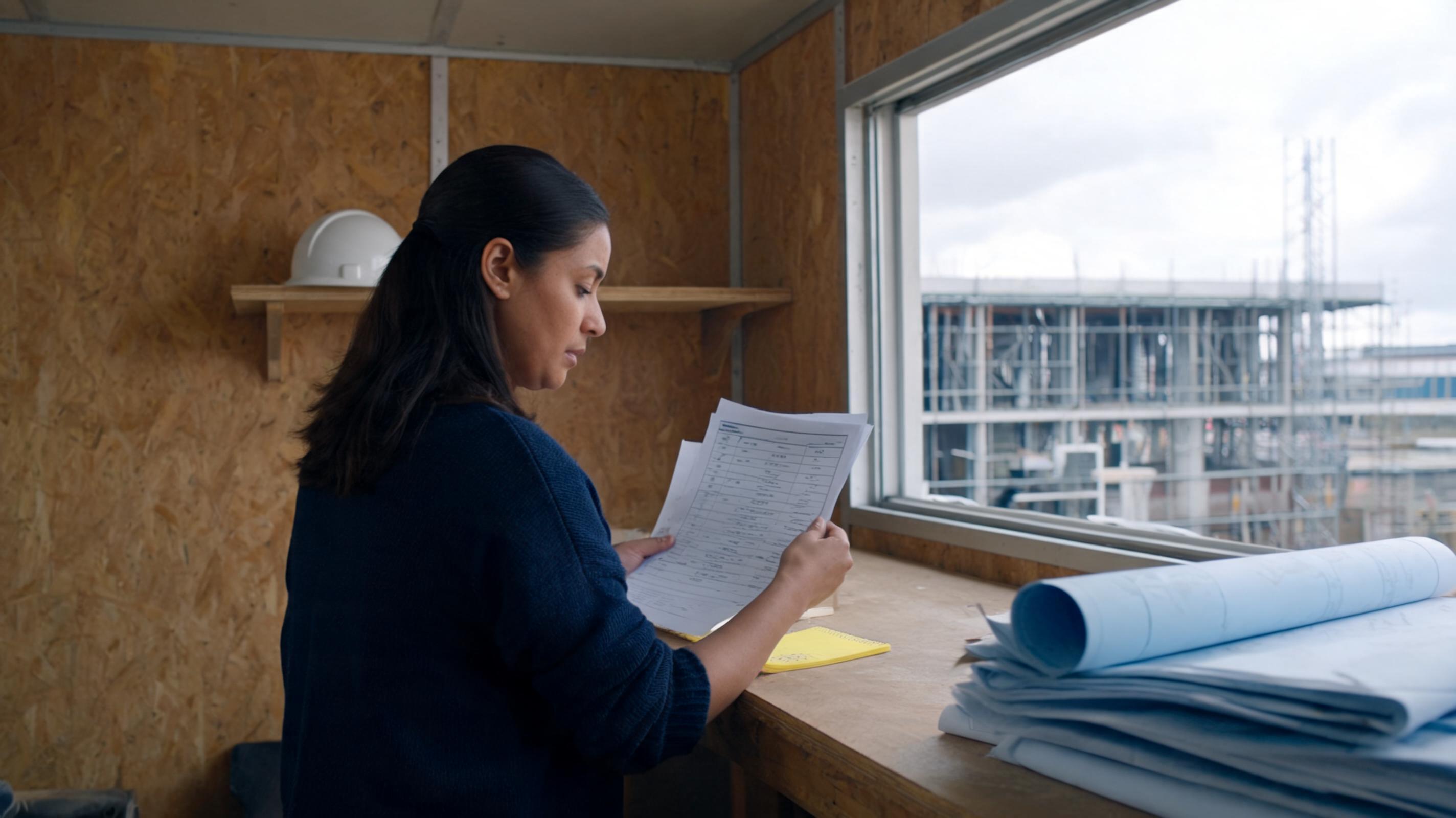
A specialty contractor's controller gets a proposal on her desk: replace the estimating tool, the field service app, and the accounting system, all at once, over eight months, at a price that makes the whole project impossible to justify this year. She shelves it. The actual problem was never the estimating tool the crews like, or the field app the techs already know how to use. The actual problem was the accounting system underneath all of it, still producing reports that take days to pull together, still requiring someone to re-key data between three disconnected pieces of software.
A year later, nothing has changed, because modernize got translated into replace everything, and replacing everything was never going to happen.
Rip and Replace Scares Off the Contractors Who Need to Modernize Most
The instinct to treat modernization as an all-or-nothing decision hits hardest at the contractors who can least afford it. A shop running lean, with an office team already stretched across billing, dispatch, and job costing, cannot take three or four people offline for months to learn an entirely new stack. Nobody wants to go through a software transition twice, either, and a full system replacement touches every department at once: field crews learning new workflows, accounting rebuilding every report, management absorbing the cost of running two systems during the transition. For a specialty contractor already stretched across service calls, install jobs, and maintenance contracts, that is a lot to ask for a return that will not show up for months.
So the decision gets deferred. The accounting system actually causing the pain keeps running, the field app everyone likes keeps running alongside it, and the gap between them keeps costing real time every week, because the alternative looked like tearing out too much at once. That is not a reason to stay stuck. It is a reason the plan needs to fit the business, not the other way around.
The deferral has a cost of its own, even if it never shows up as a line item. Every month spent re-keying data between systems that do not talk to each other is a month the office team spends on clerical work instead of the analysis, forecasting, and bid strategy that actually grows the business. The false choice between an expensive full replacement and no change at all quietly becomes the most expensive option on the table.
What the Power of Choice Actually Looks Like
A specialty contractor's technology needs rarely break down evenly. One shop's biggest pain point is financial reporting and multi-entity consolidation. Another's is dispatch and field service management. A third is winning better bids with more accurate estimates. A fourth might be all three at once, just at different levels of severity. Modernizing well starts with naming which of those is actually causing the pain, not replacing all of them on the same timeline because it feels simpler to do it once.
- Core software is available as custom packages or a la carte, not one all-or-nothing bundle, so a contractor can start with the piece causing the most pain and add the rest later.
- Open APIs let a modern accounting or field service platform connect to tools already in place, such as estimating software, project management platforms, and dispatch tools, instead of requiring all of them to be replaced at once.
- A true cloud foundation means the platform stays current on its own, without the complicated, expensive upgrade cycles that used to come with on-premises systems.
None of that requires abandoning what already works. It requires being honest about which piece is actually broken, and starting there.
The Track Record Behind Each Piece
Modularity only helps if each piece being offered separately is actually built well on its own, not just cheaper to buy piecemeal. Sage has more than 50 years of construction industry experience and is used by more than 50,000 construction businesses, including 48 percent of the ENR Top 400 contractors and 53 percent of the BD&C Giants Top 115 firms. Sage Intacct is the first and only accounting solution preferred by the American Institute of Certified Public Accountants, and has been recognized as a Leader in the IDC MarketScape assessment of SaaS and cloud-enabled midmarket finance and accounting software. Starting with one piece does not mean starting with an unproven piece.
Modernizing in Stages, Not All at Once
A staged approach looks different for every contractor, but the shape is consistent.
- Fix the piece causing the most damage first, typically financial reporting, job costing, or multi-entity consolidation for a contractor running several trades or regions.
- Connect it to what is already working through an open API instead of replacing that piece too.
- Add the next layer, field service management or project management capability, once the first piece is stable and the team has adjusted.
Nothing about that sequence requires a single, all-at-once implementation. This is also where a rollout that failed once does not have to fail again. A contractor who tried a full-system replacement in the past and watched adoption stall usually was not wrong that something needed to change. The scope was just too large to land in one attempt.
Where Sage Intacct Construction Fits
Sage's construction and specialty contractor offering is built in three pieces rather than one bundle: Sage Intacct Construction for accounting and financial management, Sage Construction Management for project operations, and Sage Field Operations for service and maintenance work. A contractor can start with the one piece solving the most urgent problem and run it alongside existing tools through open APIs, rather than replacing everything on day one.
The other half is sequencing that staged approach correctly: deciding which piece to modernize first, how it connects to what is already in place, and when it makes sense to add the next layer. Alliance scopes that sequence around where a specific contractor's pain actually is, rather than selling the largest possible implementation up front. Alliance Solutions Group is Sage's number one Intacct partner in North America, with real people and real expertise dedicated specifically to construction and real estate. Support that knows you by name, not a ticket number.
Where to Start
The honest starting point is whichever system is costing the most time right now, not whichever one is oldest or easiest to replace. If closing the books takes days instead of hours, that is financial software. If dispatch is still running on a whiteboard or a shared spreadsheet, that is field operations. If bids are getting built on outdated cost data, that is the estimating and project management side. Naming that one piece honestly is most of the decision. Everything after that is sequencing, not a single leap.
It helps to ask the question at the level of a specific week, not a general impression. Which task took the longest to finish last week that should have taken minutes. Which report did leadership wait days for that should have been available immediately. Which piece of information had to be retyped from one system into another. The system behind that specific answer is the one worth modernizing first, and the rest of the stack can wait its turn.
Find the Path That Fits Your Trade
Modernization priorities look different by trade. Alliance works with specialty contractors across the following verticals.
[Internal link: "Electrical Contractors" -> https://www.alliancesg.com/industries/electrical-contractors]
[Internal link: "Mechanical Contractors" -> https://www.alliancesg.com/industries/mechanical-contractors]
[Internal link: "Plumbing Contractors" -> https://www.alliancesg.com/industries/plumbing-contractors]
[Internal link: "Fire and Life Safety Contractors" -> https://www.alliancesg.com/industries/fire-and-life-safety-contractors]
Modernize the Piece That's Actually Costing You Time
The controller who shelved that all-at-once proposal did not need to accept another year of the same slow reporting. She needed a path that started with the accounting system alone, connected to what already worked, and grew from there.
Take a self-guided product tour
Frequently Asked Questions
Do specialty contractors need to replace all their software at once to modernize?
No. Modernizing does not require a full rip-and-replace. Core construction software is available as custom packages or a la carte, and open APIs let a new accounting or field service platform connect to tools already in place, such as estimating software, project management platforms, and dispatch tools, without requiring all of them to be replaced at once. A contractor can fix the piece causing the most pain first and add the rest later, rather than replacing everything on a single timeline and absorbing the cost and disruption of running two systems at once.
How do I decide which system to modernize first?
Start with whichever system is costing the most time right now, not whichever one is oldest or easiest to replace. If closing the books takes days instead of hours, the financial system is the priority. If dispatch still runs on a whiteboard or a shared spreadsheet, field operations is the priority. If bids are built on outdated cost data, the estimating and project management side needs attention first. Naming that one piece honestly, rather than trying to fix everything at once, is most of the decision.
What does a staged modernization approach look like in practice?
In practice, staging means treating each system as its own smaller project instead of one large implementation covering every department at once. The team fixes whichever piece is causing the most damage, gets comfortable running it alongside what already works, and only then decides whether the next layer is worth tackling. That pacing is what keeps a rollout from stalling the business while it happens, and it means a contractor is never without a working system for any part of the operation.
How does Sage support a staged modernization instead of a full system replacement?
Sage's construction offering is built as three separate products, Sage Intacct Construction for accounting, Sage Construction Management for project operations, and Sage Field Operations for service and maintenance work, available as custom packages or a la carte rather than one bundle. Open APIs let each piece connect to tools a contractor already uses, and a true cloud foundation keeps the platform current without the complicated upgrade cycles of on-premises systems, so modernization can happen one system at a time instead of all at once.
What does Alliance Solutions do for specialty contractors modernizing their systems?
Alliance Solutions Group scopes a modernization sequence around where a specific contractor's pain actually is: which system to fix first, how it connects to what is already in place, and when it makes sense to add the next layer. Alliance is Sage's number one Intacct partner in North America, with real people and real expertise dedicated specifically to construction and real estate, and a track record of sequencing rollouts around how a business actually operates rather than selling the largest implementation possible.